

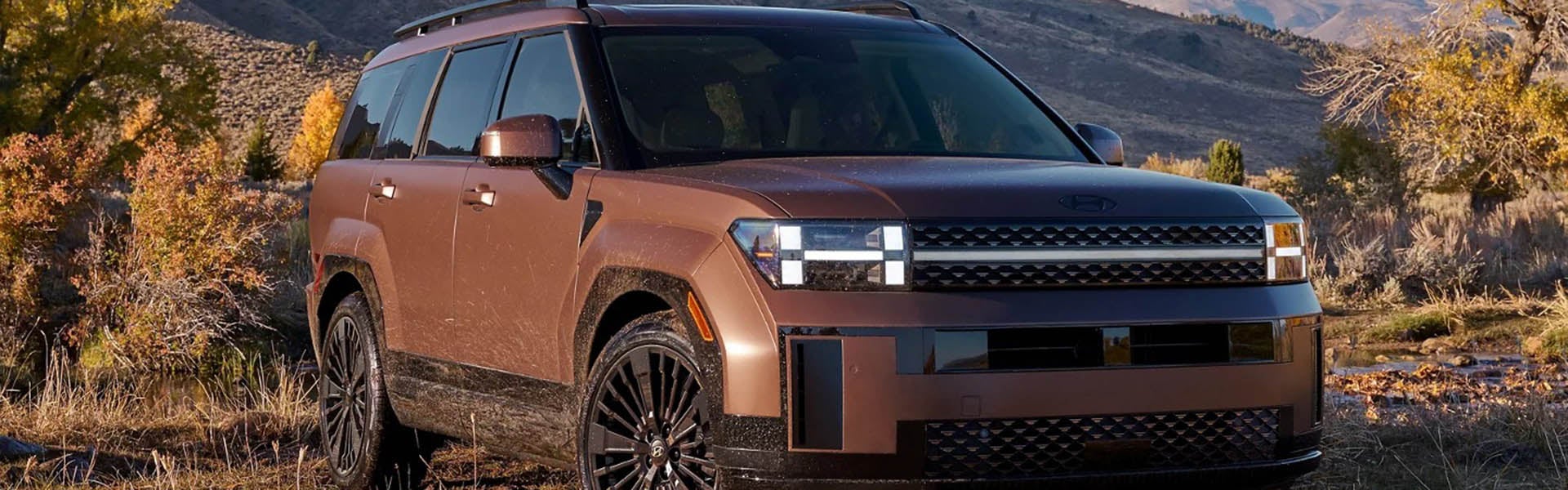
The 2026 Hyundai Santa Fe and Santa Fe Hybrid share the same squared-off shape, 3-row layout, and much of their equipment, but they go about moving all of it differently. The gas model has more power and considerably greater towing potential, while the Hybrid trades some output for better fuel economy. For Honolulu drivers, that makes this less about choosing the superior Santa Fe and more about deciding which powertrain suits the work you expect the SUV to do.
The Biggest Difference Happens at the Accelerator
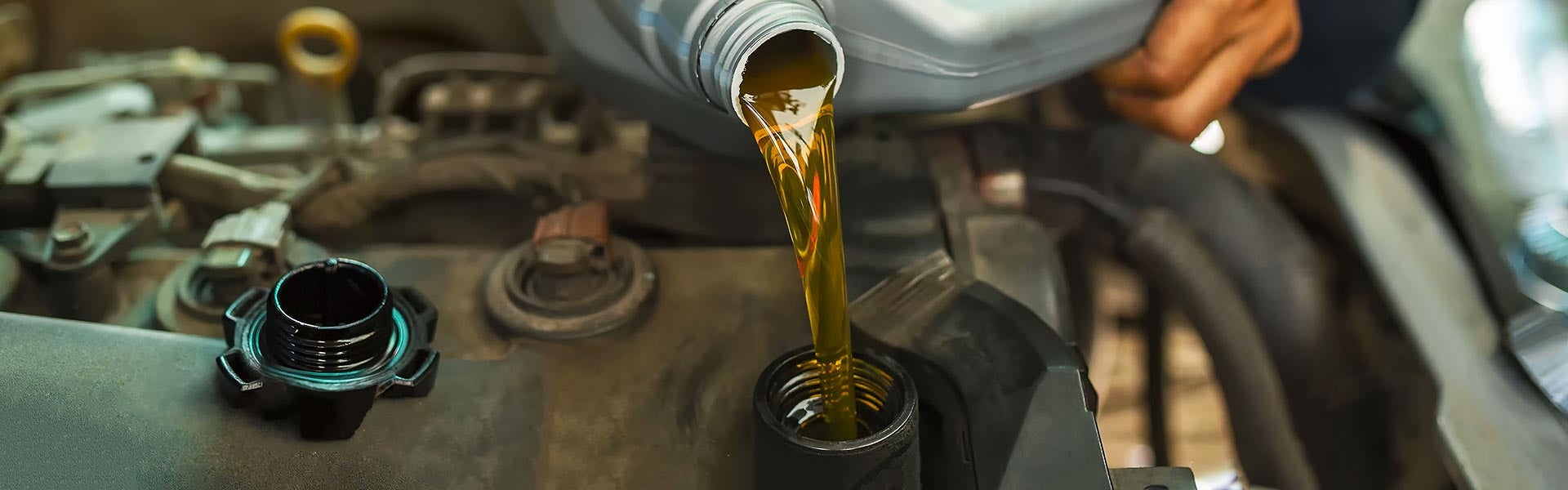
The gas Santa Fe uses a Turbocharged Smartstream 2.5L 4-cylinder producing 277 hp and 311 lbs. ft. of torque, paired with an 8-speed automatic transmission. It can tow up to 3,500 lbs., while the XRT increases maximum capacity to 4,500 lbs. when properly equipped with a trailer brake controller. The Santa Fe Hybrid combines a Turbocharged 1.6L engine with a 44.2-kW electric motor and 6-speed automatic, producing 231 hp and 271 lbs. ft. of torque combined. That lower output brings an efficiency advantage: FWD Hybrid models return up to an EPA-estimated 37 city MPG. Drivers doing plenty of stop-and-go mileage around Honolulu should find that trade compelling.
One Lineup Has an XRT Up Its Sleeve
Both versions offer familiar steps through the range, including SEL, Limited, and Calligraphy, while the gas Santa Fe gets the additional XRT option. XRT is the one to consider if trips beyond pavement are part of the plan, adding all-terrain tires, increased ground clearance, Terrain Mode with Mud and Sand settings, and its own exterior details. At the other end, Calligraphy concentrates on cabin comfort with quilted Nappa leather seating surfaces, a full-display digital rearview mirror, 12.3-inch touchscreen, full-color head-up display, and a driver's seat with Relaxation function. Limited and Calligraphy also include a 12-speaker Bose® premium audio system and power-folding 2nd-row captain's chairs.
The Cabin Doesn't Force a Powertrain Compromise
Choosing the Hybrid doesn't fundamentally change what makes the Santa Fe useful as a family SUV. Both versions provide up to 79.6 cu. ft. of cargo room behind the front seats and feature Hyundai's clever bi-directional center console, which can be accessed from either the front or rear. A hands-free smart liftgate with auto open and high-power USB ports in the first 2 rows are standard throughout the lineup. Passenger volume differs slightly, at 152.0 cu. ft. for the gas model and 151.0 cu. ft. for the Hybrid. A single cubic foot is unlikely to settle many purchasing decisions, especially when the overall seating and cargo arrangements remain so similar.
Technology Is Largely a Draw
Hyundai SmartSense gives both Santa Fe versions a substantial foundation of standard driver-assistance equipment. Forward Collision-Avoidance Assist with pedestrian and cyclist detection, Lane Following Assist, Driver Attention Warning, Rear Cross-Traffic Collision-Avoidance Assist, and Safe Exit Assist are included across the lineup. Higher trims can add systems including Blind-Spot View Monitor, Surround View Monitor, Remote Smart Parking Assist, and Highway Driving Assist. Bluelink+ connected services are also standard, providing compatible remote functions and other connected features. The important point here is simple: choosing the Hybrid for efficiency doesn't mean giving up the Santa Fe's core technology or driver-assistance equipment.
Choose the Engine Before You Choose the Badge
The gas Santa Fe is the straightforward choice for drivers who need its greater output or towing capability, and XRT gives that version an additional character the Hybrid lineup doesn't offer. The Hybrid answers with lower fuel consumption, making a strong case for drivers accumulating plenty of urban and suburban miles. Both still deliver the spacious cabin and practical layout that define the Santa Fe. Hyundai's 10-year/100,000-mile powertrain limited warranty adds another consideration, though shoppers should review complete warranty terms and coverage when comparing models.
Drive Both at Jerry V Honolulu Hyundai
Specifications explain the mechanical differences, but the best choice becomes clearer from the driver's seat. Honolulu shoppers can compare Santa Fe and Santa Fe Hybrid inventory at Jerry V Honolulu Hyundai, explore available trims and financing options, and decide if the gas model's additional output or the Hybrid's efficiency better suits their driving. Put both powertrains on your shortlist, but first, schedule a test drive online.